The 32nd China International Exhibition on Electric Power Equipment and Technology
Shanghai International Energy Storage Technology Application Expo / Hydrogen Energy Expo
Shanghai New International Expo Center (Hall N1-N5 & W5), PR China 2025•11• 18 - 20

HUIZHOU JINCHENG ELECTRIC CO.,LTD
Booth Number: Hall W5 - W5L15A
Add EP Wechat for consultation
Share this page
Exhibitor E-invitation
Invitation / Product Poster
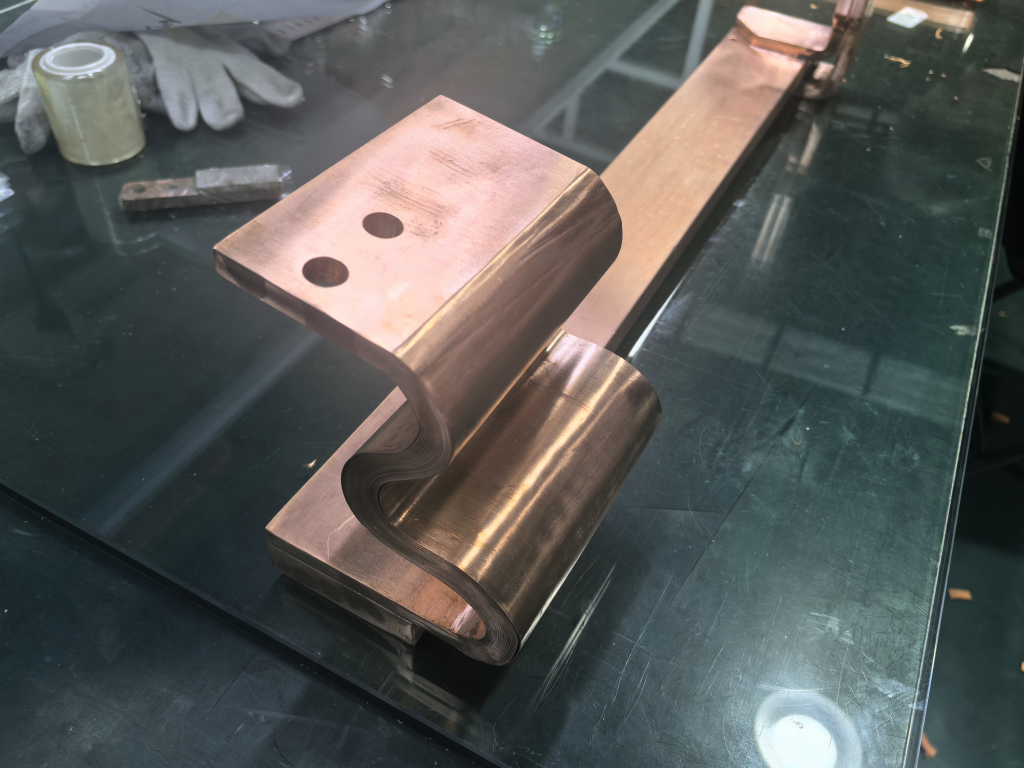
Copper foil flexible connector
Copper foil flexible connectors are flexible conductive components used in electrical equipment, typically manufactured by laminating or welding multiple layers of high-purity electrolytic copper foil. They exhibit excellent electrical conductivity, flexibility, and fatigue resistance. High electrical conductivity: With a conductivity second only to silver, copper is well-suited for transmitting large currents. Excellent flexibility: These connectors can be bent and twisted, accommodating equipment vibrations or movements and preventing stress‑induced fractures that may occur with rigid connections. Low resistance and minimal heat generation: This reduces energy losses and enhances system efficiency. Corrosion resistance: Their surfaces can be coated with tin, nickel, or silver to improve oxidation resistance. Easy installation: They can be secured using bolts, welding, or crimping, offering versatile mounting options.
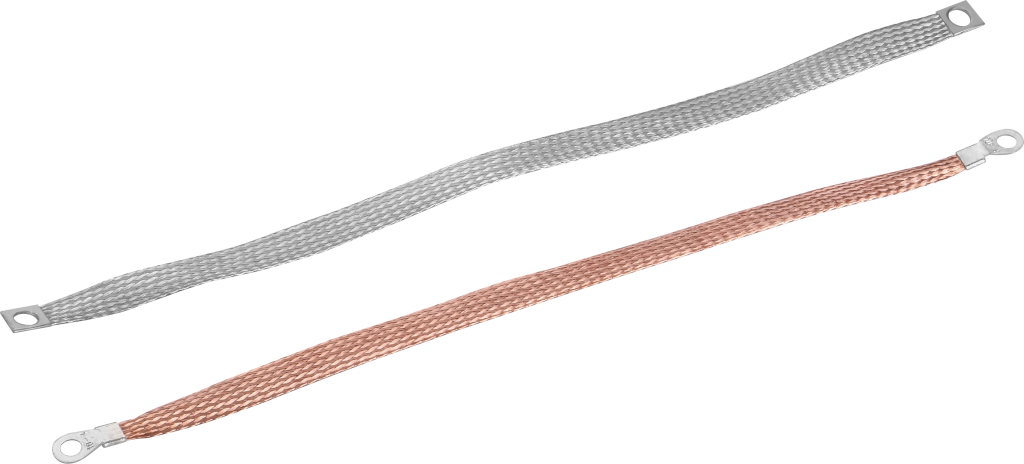
Copper braided wire
Copper braided wire is a flexible conductive material woven from multiple strands of fine copper wires. It boasts excellent electrical conductivity, flexibility, and corrosion resistance, making it widely used in electrical connections, grounding, electromagnetic shielding, and other applications. High electrical conductivity: Made of pure copper—typically T2 red copper or oxygen-free copper—with a conductivity exceeding 98%. Good flexibility: Its braided structure allows it to bend and twist, adapting to complex installation environments. High temperature and corrosion resistance: It can be tinned, silver‑plated, or coated with other protective layers to enhance oxidation resistance and corrosion durability. Strong fatigue resistance: It remains resistant to breakage even under vibration or frequent movement, such as in mechanical equipment and automotive wiring harnesses.
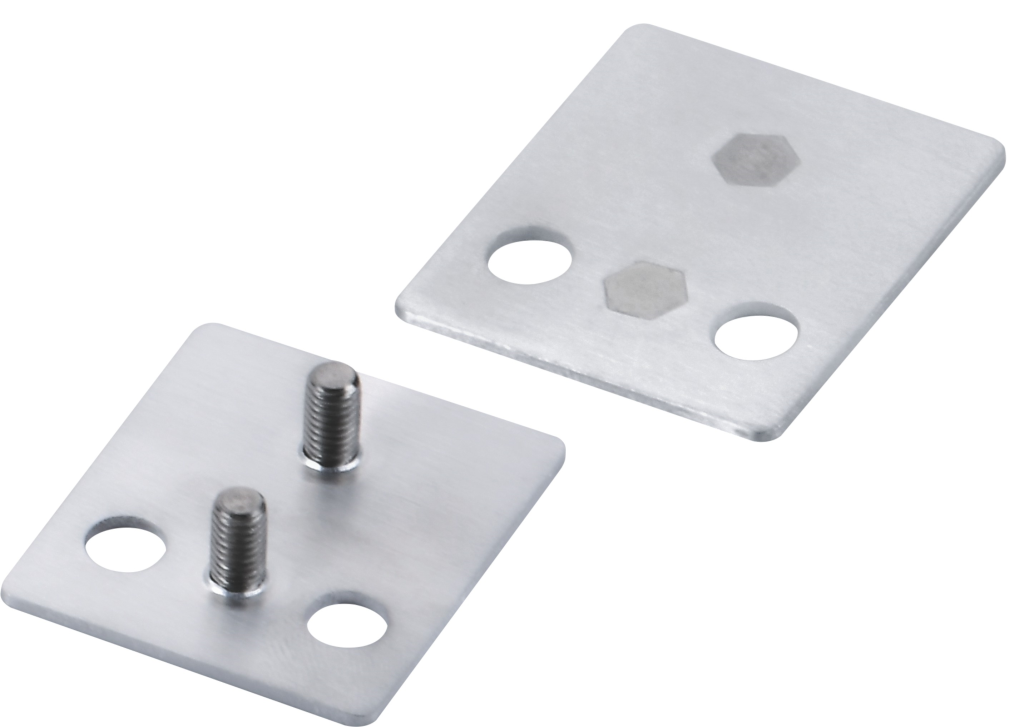
Copper-aluminum busbar connector
Aluminum busbars and hard copper busbars for new‑energy batteries, including positive and negative current collectors, etc. Electrical Conductivity: Copper boasts an electrical conductivity of up to 97% IACS (International Annealed Copper Standard), making it well suited for high‑current applications. Mechanical Properties: High tensile strength—hard‑tempered copper busbars can reach 300–400 MPa—and excellent wear resistance; however, they exhibit poor bendability and must be annealed to soften before bending. Corrosion Resistance: Bare copper is prone to oxidation, so its surface is often coated with tin, nickel, or silver to enhance corrosion protection. Temperature Range: Typically operates between –40°C and 105°C; at elevated temperatures, special treatment may be required.
思源黑体预加载(勿删): HUIZHOU JINCHENG ELECTRIC CO.,LTD